
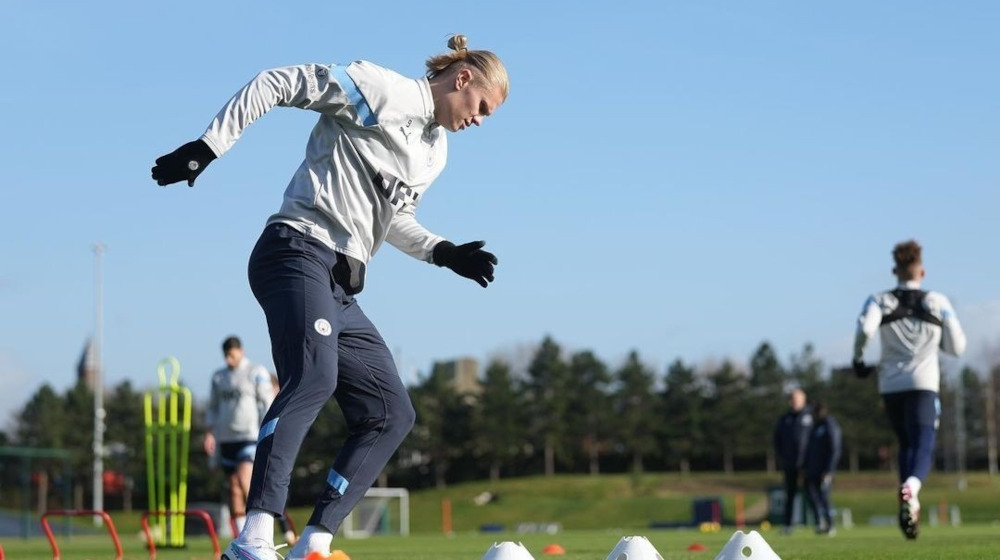
Erling Haaland’s Diet and Training: Nutrition, Sleep, Recovery, and Fitness Management
In modern football, Erling Haaland is renowned for his extraordinary physical attributes and relentless scoring efficiency. Standing at around 1.95 metres tall, he possesses remarkable explosive speed while maintaining a consistently high level of performance through the demanding Premier League and Champions League schedules.
Behind those abilities lies not only the elite athletic genetics he inherited from his parents, but also an exceptionally disciplined approach to managing his body away from the pitch. Based on Haaland’s own public comments, information released by Manchester City and the Premier League, and reports from reputable media outlets, this article takes an objective look at the striker’s approach to nutrition, training, and recovery.
Haaland’s Diet Philosophy: High Energy Demands and Unusual Food Preferences
Haaland’s approach to nutrition is far removed from the stereotypical “plain chicken breast and broccoli” athlete diet. Instead, it is built around high-energy, nutrient-dense foods designed to support the enormous physical demands placed on his body.
Beef Heart, Beef Liver, and His Father’s Lasagna
According to a 2022 documentary about Haaland and related media reports, his daily diet includes several unconventional but highly nutrient-dense foods:
-
Beef heart and beef liver: Haaland has spoken publicly about eating organ meats, which are rich sources of iron, vitamin B12, and high-quality protein.
-
High-quality local ingredients and filtered water: He places considerable emphasis on the quality and source of his food and has also highlighted his preference for filtered water.
-
His father’s lasagna: Haaland has repeatedly said that the lasagna prepared by his father, Alfie, is one of his favorite foods before matches. Beyond its nutritional value, it also serves as a familiar source of comfort before games.
The “6,000-Calorie Diet” — What’s True and What’s Not?
The media has widely reported that Haaland consumes around 6,000 calories a day during training to support his substantial muscle mass and enormous energy expenditure. However, Haaland has subsequently clarified in interviews that he does not meticulously count his calorie intake every day.
The 6,000-calorie figure is therefore better understood as a media estimate of the scale of his diet during periods of intense training rather than a strict daily target that he follows without exception.
He Doesn’t Follow an Ultra-Restrictive Diet
Despite placing enormous importance on food quality and generally avoiding sugary drinks, Haaland does not completely eliminate so-called “unhealthy” foods from his diet. He has mentioned occasionally enjoying foods such as kebab pizza and hot chocolate.
That flexibility can help maintain a healthy psychological balance over the course of an extremely long and demanding football season.
His Training System: Strength, Mobility, and Cardiovascular Conditioning
Haaland’s training objectives are clear: maintain his imposing physique while maximizing explosiveness and speed and minimizing the risk of injury. Based on information shared by Haaland and Manchester City’s performance staff, his training places particular emphasis on several areas.
Balancing Core Strength and Flexibility
Rather than simply trying to add as much muscle mass as possible, Haaland focuses on functional strength and flexibility. A strong core helps him maintain balance while sprinting at high speed and battling defenders, while good mobility and flexibility allow him to generate his long, powerful strides and reduce the risk of muscular injuries.
Cardiovascular Fitness and Physical Maintenance
Alongside conventional strength training, Haaland devotes significant time to cardiovascular conditioning and general physical maintenance. This includes targeted dynamic stretching, recovery runs, and preventative treatment designed to help his body cope with the heavy workload of a packed football calendar.
Premier League Tracking Data Confirms His Speed
Haaland’s speed is not simply a marketing talking point—it is backed by official tracking data from the Premier League:
-
During the 2023/24 season against Wolves, he reached a top speed of 36.32 km/h.
-
During the 2025/26 season against Arsenal, he once again reached an impressive 36.20 km/h.
For a striker standing around 1.95 metres tall, repeatedly producing elite sprinting speeds is a remarkable demonstration of the physical qualities developed through his training and conditioning.
The Science of Recovery: Combining Technology with Personal Habits
In modern football, recovery capacity can play a major role in determining how long a player can perform at the highest level. Haaland places considerable emphasis on recovery, combining modern technology with personal routines.
Sleep and Sleep Monitoring
Haaland has repeatedly said that he “loves sleeping.” During his time at Manchester City, he began using professional equipment to monitor his sleep quality, helping ensure that his nervous system and muscles receive adequate recovery.
Rather than following a rigid schedule such as “go to bed at exactly 9 p.m. every night,” Haaland’s approach is better understood as prioritizing sufficient, high-quality sleep around the demands of matches and training.
Physical Recovery: Ice Baths, Saunas, and Hypoxic Chambers
According to reports from reputable sports media, Haaland makes extensive use of the high-end recovery facilities available at the Manchester City training ground:
-
Ice baths: Cold-water immersion after matches or intense training sessions to help manage muscle soreness and inflammation.
-
Saunas and hypoxic chambers: Used to support circulation and simulate aspects of high-altitude training, with the aim of improving oxygen efficiency and recovery. (Note: hypoxic chambers are different from medical hyperbaric oxygen chambers and are commonly used as a training aid by elite athletes.)
-
Red-light therapy devices: Haaland has shown himself using red-light therapy equipment in personal videos. Such devices are used by some athletes as part of recovery routines, although their precise effectiveness remains a subject of discussion within sports science.
His Much-Discussed Raw Milk Habit
In 2025, Haaland shared content on social media showing himself obtaining unpasteurized raw milk from a local farm. He said he believed it was beneficial for his stomach, skin, bones, and muscles.
This is a personal dietary choice, however, and public-health authorities generally warn that raw milk carries food-safety risks. The habit should not be treated as something that the general public should blindly copy simply because a professional athlete chooses to do it.
Common Misconceptions About Haaland’s Diet and Training
To avoid the misinformation that often circulates online, several aspects of Haaland’s lifestyle are worth clarifying:
-
He does not eat only “chicken breast and pasta”: While those foods are common staples in many athletes’ diets, Haaland’s reported diet is considerably more varied, including organ meats, high-quality red meat, and his father’s homemade lasagna.
-
He does not follow an extreme “zero junk food” lifestyle: He takes nutrition seriously, but he also occasionally enjoys foods that would not normally be considered part of a strict performance diet.
-
There is no solid evidence that he follows specific “agility ladder” or “millisecond reaction drill” routines: These are often presented online as generic football-training templates. Haaland’s publicly discussed training approach is more focused on strength, flexibility, cardiovascular fitness, and overall physical maintenance.
FAQ: Common Questions About Haaland’s Diet and Training
Q: What is Erling Haaland’s favorite food?
A: Haaland has publicly talked about eating nutrient-dense foods such as beef heart and beef liver, while his father’s homemade lasagna is one of his favorite matchday foods. He has also mentioned occasionally enjoying kebab pizza.
Q: Does Haaland really eat 6,000 calories a day?
A: Earlier media reports estimated that he consumed around 6,000 calories per day to match the demands of his intense training. Haaland later clarified that he does not meticulously count his daily calorie intake, so the figure is better viewed as an estimate of the scale of his diet rather than a fixed daily target.
Q: What is Haaland’s top sprint speed?
A: According to official Premier League data, Haaland reached 36.32 km/h during the 2023/24 season and 36.20 km/h during the 2025/26 season, highlighting his remarkable explosiveness despite his imposing size.
Q: What time does Haaland go to bed, and how long does he sleep?
A: Haaland places a major emphasis on sleep and began monitoring his sleep quality during his time at Manchester City. However, there is no reliable evidence that he follows a rigid routine of going to bed at exactly 9 p.m. and sleeping for 9–10 hours every night. Instead, he prioritizes sufficient, high-quality rest based on his training and match schedule.
Q: Is it true that Haaland drinks raw milk?
A: Yes. In 2025, he shared videos showing himself obtaining and drinking raw milk and said he believed it offered health benefits. However, raw milk can carry food-safety risks, so the general public should not blindly copy the habit.
Conclusion: The Professional Mindset Behind the Public Information
Looking at Haaland’s diet and training habits, there is no secret “magic formula.” Instead, what emerges is the picture of an elite professional athlete taking an exceptionally disciplined and methodical approach to managing his body.
From eating nutrient-dense foods and closely monitoring his sleep to making use of recovery methods such as ice baths and hypoxic chambers, his routines are ultimately built around one goal: keeping his body in peak condition throughout the long football season.
Understanding these publicly documented habits provides a more realistic picture of what goes into maintaining the performance of a world-class striker—and offers useful insight into the importance of conditioning, recovery, and physical management for athletes more broadly.
Continue exploring Erling Haaland’s career:
- 📖 Erling Haaland: Complete Biography and Life Story
- 🧬 Haaland’s Family Background: Sporting Heritage, Genetics, and the People Behind His Success
- 🧠 Haaland’s Playing Style Explained: Redefining the Modern Centre-Forward
- 🔵 Haaland at Manchester City: From Record-Breaking Striker to Title-Winning Star
- 📊 Erling Haaland Career Stats: Detailed Career Statistics